
Introduction
Paying for things in China as a foreign business traveler in 2026 means using mobile payments. Over the past decade, China has transitioned to a nearly cashless society, with Alipay and WeChat Pay accounting for the vast majority of retail transactions. Without access to these systems, even simple tasks like buying coffee, taking a taxi, or paying for a business lunch can become difficult. The good news is that both platforms now fully support international users without requiring a Chinese bank account or phone number.
This guide walks you through setting up and using Alipay, WeChat Pay, and cash in China, so you can conduct your business smoothly from the moment you arrive.
Quick Summary
This guide explains:
- Who this guide is for — international business travelers, foreign executives, and corporate travel managers visiting China for meetings, factory visits, or trade shows
- What you’ll learn — how to set up Alipay and WeChat Pay with an international card, transaction limits and fees, when to use cash, and common payment mistakes to avoid
- Key takeaway — mobile payments are essential in China. Set up both Alipay and WeChat Pay before your trip, and carry a small amount of cash as backup
- Recommended action — download both apps, complete identity verification with your passport, and link an international card before you board your flight
Why Payment Methods Are Your Top Priority in China
Navigating payment systems is one of the most critical practical challenges for international business travelers visiting China. Without access to mobile payment systems, even simple tasks like buying coffee, taking a taxi, or paying for a business lunch can become extremely difficult.
The good news is that in 2026, both Alipay and WeChat Pay have significantly simplified their processes for foreign users. You no longer need a Chinese bank account or phone number to use basic mobile payment services. This guide will walk you through every step of setting up and using the most common payment methods in China, so you can conduct your business smoothly and efficiently.
Alipay 2026: Complete Guide for Foreign Users
Alipay is one of the most widely used mobile payment platforms in China, accepted at the vast majority of merchants nationwide. Follow these steps to set up your Alipay account as an international user:
- Download the Alipay app from the App Store or Google Play Store before your trip.
- Select “International Version” when prompted, and register using your email address or foreign phone number.
- Complete the identity verification process by uploading a clear photo of your passport.
- Link your international credit or debit card (Visa, Mastercard, or American Express are all supported).
- Set a 6-digit payment password and enable biometric authentication for added security.
Important Limitations and Fees
- Single transaction limit: 5,000 USD (approximately 36,000 RMB)
- Annual transaction limit: 50,000 USD (sufficient for most business trips)
- Transaction fee: 3% on amounts exceeding 200 RMB. The previous fee waiver for transactions of 200 RMB or below expired on July 10, 2026. Check the app for the latest fee policy before your trip.
- Withdrawing cash from ATMs using Alipay is not available for international users
WeChat Pay 2026: Complete Guide for Foreign Users
WeChat Pay is the other dominant mobile payment platform in China, and it is integrated directly into the WeChat app, which you will likely use for business communications. For a complete guide to using WeChat in a professional context, see our article on how to use WeChat for business in China. Here’s how to set up WeChat Pay:
- Download and install the WeChat app, and create an account using your foreign phone number.
- Tap on “Me” → “Services” → “Wallet” to access the payment features.
- Select “Cards” → “Add a Card” and follow the prompts to link your international credit or debit card.
- Complete the identity verification by uploading your passport photo and a selfie.
- Once verified, you can start using WeChat Pay immediately.
Key Differences Between Alipay and WeChat Pay
While both platforms are widely accepted, there are a few minor differences to consider:
- Alipay is more commonly used for online shopping and utility payments
- WeChat Pay is more integrated with social features and is often preferred for peer-to-peer transfers
- Both platforms have almost identical merchant acceptance rates in major cities
Cash Usage in 2026: When and How Much to Bring
Effective February 2026, new national regulations mandate that all merchants must accept RMB cash, providing a legal safeguard for cash users. While mobile payments are ubiquitous, cash is still necessary in certain situations. You should always carry a small amount of cash for:
- Small street vendors and local markets
- Taxis in smaller cities that may not reliably accept mobile payments
- Emergency situations where your phone is not working
- Remote areas with limited internet connectivity
We recommend exchanging 1,000-2,000 RMB in cash before your trip, or withdrawing cash from an ATM upon arrival at the airport. Most major international banks have ATMs in China that accept foreign cards, and you can withdraw up to 10,000 RMB per day.
Other Payment Methods to Consider
International Credit Cards
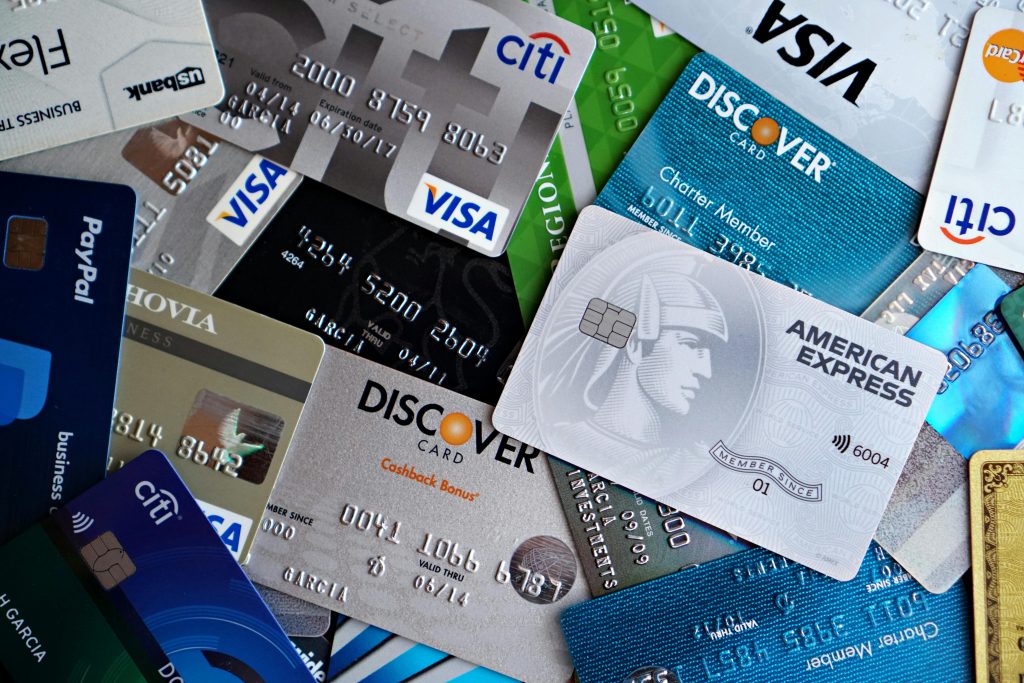
Major international credit cards (Visa, Mastercard, American Express) are accepted at most high-end hotels, international restaurants, and large shopping malls. However, they are rarely accepted at small businesses, local restaurants, or convenience stores. You should not rely solely on credit cards for your trip. For a detailed look at where foreign cards work and where they do not, see our article on whether you can use an American credit card everywhere in China.
UnionPay Cards
UnionPay is the domestic bank card network in China, and it is accepted everywhere. If you plan to stay in China for an extended period, you may want to consider applying for a UnionPay prepaid card before your trip. These cards can be loaded with RMB and used anywhere UnionPay is accepted.
Common Mistakes to Avoid
- DO NOT: Assume that all places accept mobile payments. Always carry some cash as a backup.
- DO NOT: Share your payment password or biometric information with anyone.
- DO NOT: Use public Wi-Fi to make payments, as this can pose a security risk.
- DO NOT: Wait until you arrive in China to download and set up the payment apps. Do it before your trip to avoid any delays.
Frequently Asked Questions
Do I need a Chinese bank account to use Alipay or WeChat Pay?
No. As of 2026, both Alipay and WeChat Pay allow foreign users to register with an overseas phone number, verify identity with a passport, and link an international Visa or Mastercard. A Chinese bank account is not required for basic payment functions.
How much cash should I bring for a business trip to China?
1,000-2,000 RMB is sufficient for a one-week business trip as a backup. Most transactions will be made through mobile payments. Cash is useful for small street vendors, taxis in smaller cities, and emergencies when your phone has no signal or battery.
Can I use my foreign credit card directly at stores in China?
International credit cards are accepted at most high-end hotels, international restaurants, and large shopping malls. However, they are rarely accepted at small businesses, local restaurants, or convenience stores. Linking your card to Alipay or WeChat Pay is the most reliable way to ensure you can pay everywhere.
Are there fees for using Alipay or WeChat Pay with a foreign card?
Yes. Both platforms charge a 3% service fee on transactions exceeding 200 RMB. Alipay’s previous fee waiver for transactions of 200 RMB or below expired on July 10, 2026. Your own bank may also charge a foreign transaction fee of around 1.5%. Check the app for the latest fee policy before your trip.
Conclusion
Paying for things in China as a foreign business traveler in 2026 is straightforward once you have the right tools set up. Download both Alipay and WeChat Pay before your trip, complete identity verification with your passport, and link an international card. Carry a small amount of cash as backup, and you will be able to handle any payment situation during your stay.
Payment setup is one part of preparing for a business trip to China. For a complete checklist covering visas, apps, hotels, and more, see our guide on how to prepare for a business trip to China.
- Master workplace and negotiation expressions in our Business Chinese collection.
- Get personalized one-on-one business Mandarin training with our Premium Chinese Live Courses.
- For corporate sourcing, cross-cultural training and custom projects, learn about our Business Consultancy Service.
- Explore curated travel, business and learning resources in our Premium Chinese Materials.
Disclaimer: This guide is for informational purposes only and does not constitute legal, financial, or investment advice. While we strive to provide accurate and up-to-date information, laws and policies change frequently, and we cannot guarantee the accuracy of all content. International investors should always consult with qualified legal, financial, and tax professionals before making any business decisions in China.