
Introduction
Doing business in China requires an understanding of unique cultural norms and business practices that differ significantly from Western countries.
Even experienced business travelers can make costly mistakes that damage relationships, delay projects, or undermine business opportunities.
This guide outlines the most common mistakes foreign business travelers make in China, organized by severity, and provides practical advice on how to avoid them.
For a comprehensive overview of business culture, see our guide on Chinese Business Etiquette Explained.
Most Critical Cultural Mistakes
These are the most serious mistakes that can permanently damage business relationships in China. They all relate to the concept of “face” (面子 miànzi), which is central to Chinese business culture.
- Publicly criticizing or contradicting a senior person: Never disagree with or correct a senior team member in front of others. This causes them to lose face and will make them reluctant to work with you.
- Ignoring hierarchical differences: Always show proper respect to senior executives. Let them speak first, enter rooms first, and sit in the most senior position.
- Rushing business discussions: Chinese business relationships are built slowly. Pushing for immediate decisions or rushing negotiations shows disrespect and impatience.
- Failing to build personal relationships: Business in China is as much about personal trust as it is about contracts. Skipping social activities or small talk will hinder your progress.
Common Mistakes in Business Meetings
Meetings follow strict protocols in China. Avoid these common errors to ensure productive meetings:
- Arriving late: Punctuality is a sign of respect. Arrive 10-15 minutes early for all meetings.
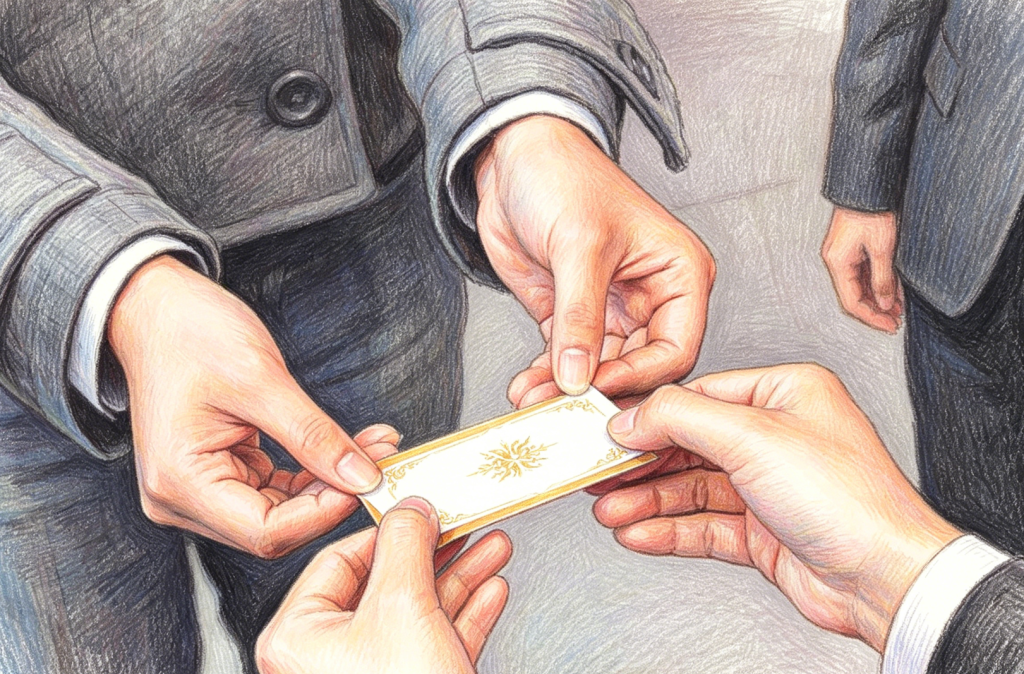
- Incorrect business card etiquette: Always present and receive business cards with both hands. Take a moment to read the card before placing it on the table. Never write on or fold a business card in front of the giver.
- Speaking out of turn: Let senior members of your team speak first, followed by junior members. Do not interrupt others while they are speaking.
- Expecting decisions during the meeting: Most decisions are made after the meeting through internal discussions. The meeting is primarily for information exchange and relationship building.
- Coming unprepared: Bring bilingual materials and research the backgrounds of all attendees, especially senior decision-makers.
For more detailed meeting guidelines, see our guide on How Business Meetings Work in China.
Communication Mistakes
Chinese business communication is often indirect. Misunderstanding these communication styles can lead to confusion and missed opportunities:
- Taking “maybe” or “we will consider it” literally: These phrases almost always mean “no” in Chinese business culture. A direct “no” is considered impolite.
- Being overly direct or blunt: Direct criticism or demands can cause offense. Use polite and indirect language when making requests or expressing disagreement.
- Ignoring non-verbal cues: Pay close attention to body language, tone of voice, and pauses. These often convey more meaning than the actual words.
- Using slang, idioms, or complex sentences: These are difficult to translate and can lead to misunderstandings. Speak clearly and simply.
Dining and Social Mistakes
Business banquets and social events are critical for building relationships. Avoid these common dining mistakes:
- Seating yourself incorrectly: Seating is arranged by hierarchy. Wait for the host to indicate your seat before sitting down.
- Refusing to participate in toasts: Toasting is an important part of Chinese business culture. Even if you do not drink alcohol, raise your glass to show respect.
- Discussing business too early: Business is usually discussed only after the meal has progressed and relationships have been established.
- Tipping: Tipping is not common in China and can be considered offensive in many situations.
- Bringing inappropriate gifts: Avoid gifts that are too expensive, or items such as clocks, umbrellas, or white flowers, which have negative connotations.
- Opening gifts immediately: Unlike Western customs, gifts in China are typically set aside and opened later. Opening a gift immediately may cause embarrassment to the giver.
Preparation Mistakes
Many problems can be avoided with proper preparation before your trip:
- Not checking visa requirements carefully: Ensure you have the correct visa for your activities. While many nationalities now enjoy visa-free access for short-term business trips, using a tourist visa (L visa) for business purposes when required is not permitted.
- Not preparing for digital payments: Cash is rarely used in China. Set up Alipay or WeChat Pay before your trip to avoid payment problems.
- Not arranging for translation: Even if your counterparts speak English, bringing a professional interpreter ensures clear communication, especially for complex discussions.
- Not understanding local business hours: Many businesses and government offices have a lunch break, typically between 12:00 PM and 2:00 PM. Avoid scheduling calls or visits during this period.
For more preparation tips, see our guide on How to Prepare for a Business Trip to China.
How to Recover from a Mistake
If you make a mistake, follow these steps to minimize damage and repair the relationship:
- Apologize sincerely and privately. A public apology may cause further embarrassment.
- Take full responsibility for the mistake. Do not make excuses or blame others.
- Show that you have learned from the experience and will not repeat the mistake.
- Give the other person time to save face. Do not push for an immediate response.
- Continue to build the relationship through consistent and respectful behavior.
Frequently Asked Questions
What is the most serious mistake I can make in Chinese business culture?
Causing someone to lose face publicly is the most serious mistake. This includes publicly criticizing, contradicting, or embarrassing a senior person. It can permanently damage business relationships.
Is it okay to say “no” directly in Chinese business meetings?
No. Directly saying “no” is considered impolite. Instead, Chinese business people will use indirect phrases such as “we will consider it” or “that is difficult” to express disagreement.
Do I need to bring gifts to business meetings in China?
Small, thoughtful gifts are appreciated, but avoid expensive gifts which may be seen as bribes. Good options include high-quality pens, coffee table books about your country, or company branded merchandise.
How important is punctuality in Chinese business culture?
Punctuality is extremely important. Arriving late shows disrespect for the other person’s time. Plan to arrive 10-15 minutes early for all meetings.
Can I discuss business during meals?
Business is usually discussed only after the meal has progressed and relationships have been established. The first part of the meal is dedicated to socializing and building rapport.
Conclusion
Understanding and respecting Chinese business culture is essential for successful business in China.
By avoiding the common mistakes outlined in this guide, you can build strong, long-lasting relationships with your Chinese counterparts and achieve your business goals.
Remember that patience, respect, and a willingness to learn are the most important qualities for successful business in China.
For more essential business tips, see our guides on How to Give and Receive Business Cards in China and How to Apply for a Chinese Business Visa.
- If you wish to further improve your Chinese reading ability, feel free to explore our Progressive Chinese Reading section.
- If you want to enhance your daily and business listening and communication skills, check out our Practical Chinese Listening resources.
- If you are interested in learning more general knowledge and practical content about China beyond business topics, visit our Premium Chinese Materials page.
Disclaimer: This guide is for informational purposes only and does not constitute legal, financial, or investment advice. While we strive to provide accurate and up-to-date information, laws and policies change frequently, and we cannot guarantee the accuracy of all content. International investors should always consult with qualified legal, financial, and tax professionals before making any business decisions in China.