
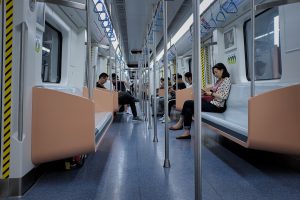
Introduction
China has one of the largest and most efficient urban metro systems in the world, with over 50 cities operating subway networks covering nearly all major tourist and business destinations. For foreign travelers, the subway (dìtiě) is the fastest, most affordable and most reliable way to get around cities, avoiding road traffic and unpredictable taxi fares.
Many first-time visitors worry about language barriers, payment restrictions and security rules when using Chinese subways. In reality, most major city systems have English signage, support foreign-friendly payment options, and follow straightforward, consistent procedures. This 2026 guide walks you through every step of the process, from finding the station to exiting at your destination, with all the foreigner-specific details you need.
Quick Answer
Yes, foreigners can ride the subway in all major Chinese cities without a Chinese bank account or local phone number. You can use single-ride tickets from vending machines, rechargeable transit cards, or mobile QR codes via Alipay and WeChat Pay. All subway systems require a security check before entering the paid area, and stations in first and second-tier cities have full English signage. The entire process is simple to follow even with no Chinese language skills.
What You Need to Know Before You Start
Overview of China’s Subway Systems
Subway networks exist in all major cities including Beijing, Shanghai, Guangzhou, Shenzhen, Chengdu, Hangzhou, Xi’an and Chongqing. Systems operate roughly from 6:00 AM to 11:00 PM local time, with slight variations by city and line. Trains arrive every 2–5 minutes during daytime hours, and every 5–10 minutes during off-peak periods.
Nearly all stations in tourist and business districts have signs in both Chinese and English. Ticket vending machines, platform displays and onboard announcements also support English in most major cities.
Core Rules for All Passengers
- All passengers and carry-on luggage must pass through security screening before entering the paid area. This is mandatory at every station.
- Most city subway systems do not require ID or passport for regular tickets; you can purchase and use tickets anonymously.
- Eating and drinking are prohibited inside subway carriages in most major cities, with exceptions for infants, people with medical needs, and plain drinking water. Note that this rule applies only to urban metro systems, and is different from China’s high-speed rail network where onboard food service is available.
- Priority seats are reserved for elderly passengers, pregnant women, people with disabilities and passengers with small children.
Payment Options Available for Foreign Tourists
- Single-ride tickets: Available at all stations via vending machines or service counters. Best for occasional riders and short trips.
- Rechargeable transit cards: Available at service counters and convenience stores. Offer small fare discounts and work on buses and subways in most cities.
- Mobile QR code payment: Via Alipay or WeChat Pay. The most convenient option for travelers with a linked international bank card.
Step-by-Step Guide to Riding the Subway
Step 1: Find Your Station and Correct Direction
- Locate the nearest subway station entrance using a map app. Entrances are marked with a standard blue “M” sign.
- Check the line map inside the station to confirm your destination and the correct direction of travel. Each line has two directions, usually named after the terminal station.
- If you need to transfer, note which interchange station you will use and the line you will switch to.
Step 2: Pass Through Security Screening
- Place all bags, backpacks and luggage on the X-ray machine belt.
- Walk through the metal detector gate. You may be asked to show the contents of your pockets if triggered.
- Collect your belongings on the other side. Proceed to the ticket area or fare gates.
Prohibited items include flammable materials, explosive substances, sharp weapons and large quantities of alcohol. Rules are similar to standard international public transit security standards.
Step 3: Get Your Ticket or Ride Code
Option A: Single-ride ticket from vending machine
- Select the English language option on the touchscreen.
- Choose your destination station from the map or list.
- Select the number of tickets you need.
- Insert cash (RMB bills or coins) or scan a payment QR code to pay.
- Collect your plastic token ticket and any change.
Option B: Mobile QR code
- Open Alipay or WeChat Pay and find the “Ride Code” or “Transport” section.
- Select the city you are in and activate the local subway ride code.
- The QR code will appear on your screen, ready to scan at the gate.
For full setup instructions for mobile payment apps, see our guide on how to use Alipay in China for foreigners.
Step 4: Enter the Paid Area
- Approach a fare gate. Make sure you use an entry gate, not an exit gate.
- For token tickets: place the token on the sensor pad. The gate will open.
- For QR code: hold your phone screen close to the scanner. The gate will open after a beep.
- Walk through the gate quickly. Do not stop or stand too close to the sensor.
Step 5: Ride the Train and Transfer if Needed
- Follow signs to your platform. Stand behind the yellow safety line while waiting.
- Let passengers exit the train first before boarding.
- Hold onto handrails during the ride. Watch the onboard display and listen for station announcements to track your progress.
- If transferring, follow “Transfer” signs to the next line. You do not need to exit the paid area or buy a new ticket for transfers within the same system.
Step 6: Exit the Station
- When you reach your destination, follow “Exit” signs to the fare gates.
- For token tickets: insert the token into the slot on the gate. The token will be collected and the gate will open.
- For QR code: scan the code again on the exit gate sensor.
- Check the exit map to choose the right exit for your destination. Most stations have multiple exits labeled with letters.
Common Problems and Solutions
Ticket or QR Code Will Not Open the Exit Gate
- Cause: Insufficient balance on a transit card, damaged ticket token, or network issue with the QR code.
- Solution: Go to the customer service counter near the exit gates. Staff can check your ticket, add balance or help you resolve the issue. Major city stations have staff with basic English ability.
Going the Wrong Direction or Missing Your Stop
- Cause: Misreading the platform sign or missing the station announcement.
- Solution: Get off at the next station. Walk across the platform to the opposite direction train, or follow transfer signs to the correct line. You do not need to buy a new ticket as long as you stay inside the paid area.
Cannot Find the Transfer Entrance
- Cause: Large interchange stations have long, complex transfer corridors.
- Solution: Follow the green “Transfer” signs with the line number and color. If lost, ask station staff or use a translation app to show your destination line.
Large Luggage Will Not Fit Through Security
- Cause: Oversized suitcases cannot pass through standard X-ray machines.
- Solution: Look for the wide luggage security lane, usually located near the service counter. Station staff can manually check large items.
Real-Life Tips for a Smoother Ride
- Avoid morning peak (7:30–9:00 AM) and evening peak (5:30–7:30 PM) if possible. Trains and stations are extremely crowded during these hours.
- Download an offline map of the city subway system before your trip, in case of internet issues.
- Always keep your ticket or phone with you until you exit the station. You will need it to leave the paid area.
- Check the last train time in advance, especially if you are traveling late at night. Last trains usually depart between 10:30 PM and 11:30 PM.
- Stand on the right side of escalators to leave the left side open for people walking through.
Common Mistakes to Avoid
- Bringing prohibited items such as large bottles of alcohol, spray cans or sharp tools. These will be confiscated at security.
- Boarding the train before passengers have exited. This is considered impolite and will slow down the boarding process.
- Only looking at Chinese characters and not checking the line number and color. Line numbers and colors are universal across all signage.
- Throwing away or losing your single-ride token before exiting. You will not be able to leave the paid area without it.
- Eating snacks, drinking sugary beverages or playing loud music inside the train car. These are against local metro rules in most cities.
Useful Chinese Phrases for Subway Travel
- 地铁站 (dìtiě zhàn) — subway station
- 买票 (mǎi piào) — buy a ticket
- 换乘 (huànchéng) — transfer lines
- 出站 (chū zhàn) — exit the station
- 哪条线?(nǎ tiáo xiàn?) — Which line?
- 末班车几点?(mòbānchē jǐ diǎn?) — What time is the last train?
- 服务中心 (fúwù zhōngxīn) — customer service center
Frequently Asked Questions
Can I ride the subway in China without a Chinese phone number?
Yes. You can always buy single-ride tickets with cash at vending machines or service counters, no phone required. If you use the international version of Alipay, you can also set up a ride code using only your email and passport, without a local SIM card.
Do I need my passport to take the subway?
No. Regular subway travel in China does not require ID or passport verification for standard tickets. You can purchase and use tickets anonymously.
What is the best payment method for tourists?
For short trips of 1–3 days, single-ride tickets are simplest. For longer stays, mobile QR codes via Alipay are the most convenient option, as they work on both subways and buses in most cities.
Do all subway stations have English signs?
All stations in first-tier and most second-tier cities have full English signage, ticket machine interfaces and train announcements. In smaller cities with newer systems, signage may be more limited, but line numbers and colors are always clear.
Can I bring a large suitcase on the subway?
Yes, standard size luggage is allowed. For very large or heavy items, use the wide security lane and avoid traveling during peak hours when trains are overcrowded.
Is the subway safe for foreign travelers at night?
Yes, Chinese subway systems are very safe at all hours. Stations have security staff and surveillance cameras. As with any public transit system worldwide, keep an eye on your belongings, especially in crowded cars.
Conclusion
The subway is the most efficient and cost-effective way to navigate most large Chinese cities. With clear signage, multiple foreigner-friendly payment options and straightforward procedures, it is easy to use even for first-time visitors with no local language skills.
Once you understand the security process and payment options, you can travel quickly and reliably across the city at a very low cost. For intercity transportation guides, read our article on taking high-speed rail in China for foreigners and using the Didi ride-hailing app. To set up all the digital tools you will need for your trip, see our list of essential apps for China travel.
Continue Exploring China
- Improve your real-world Chinese communication skills with our Practical Chinese Listening resources.
- Build your reading proficiency with our Progressive Chinese Reading section.
- Master travel-specific phrases and dialogues in our Travel Chinese collection.
- Get personalized one-on-one instruction with our Premium Chinese Live Courses.
- Prepare for long-term stays in China with our Premium China Resources and survival materials.
Travel regulations, app policies, visa requirements, and payment services in China may change over time. Always verify important information through official sources before making travel decisions.