
Introduction
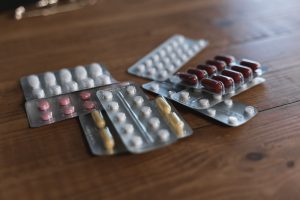
Yes, foreigners can buy medicine in China in 2026. Most common over-the-counter drugs are available at pharmacies without a prescription, and you can pay with the same Alipay or WeChat Pay account you already use for everything else. The process is straightforward once you know a few basic rules: which medicines require your passport, which ones have purchase limits, and when you need to see a doctor instead of heading to a pharmacy. This guide covers what travelers actually need — where to go, what to say, how much to expect to pay, and how to handle the situations that most commonly catch visitors off guard. It does not offer medical advice or recommend specific treatments.
Quick Answer
Foreign travelers can buy common over-the-counter medicines such as ibuprofen, paracetamol, and loratadine at any Chinese pharmacy without a prescription or a passport. For certain controlled OTC drugs — including those containing ephedrine and guaifenesin-based cough preparations — you must show your passport and the quantity you can purchase is restricted by law. Prescription medicines require a prescription from a licensed Chinese doctor; overseas prescriptions are not accepted at Chinese pharmacies. If you need a prescription drug, visit a public hospital international department or a private clinic. You can also order common OTC medicines for delivery through Meituan or Ele.me, but the delivery contact number must be a mainland Chinese mobile number.
What You Need to Know Before You Go
Two Types of Medicine: OTC and Prescription
Chinese pharmacies separate medicines into two categories. Over-the-counter drugs — labeled OTC on the packaging — can be bought directly from the shelf or at the counter. Most everyday medicines for pain, fever, allergies, and digestive issues fall into this category. Prescription drugs — labeled Rx — require a prescription from a licensed Chinese doctor. Antibiotics are a common example. If you walk into a pharmacy and ask for antibiotics without a prescription, you will be turned away. This is not the pharmacy being difficult. It is the law.
When You Need Your Passport
For most common OTC medicines — ibuprofen, paracetamol, oral rehydration salts — you do not need to show any identification. You pick them up, pay, and leave. However, certain controlled OTC drugs require real-name registration under national regulations issued by the National Medical Products Administration in April 2026. These include medicines containing ephedrine, which are used in some cold and flu preparations, and guaifenesin-based cough formulations. When buying these, the pharmacist must record your name, passport number, the drug name, quantity, and purchase date in a dedicated register. You must present your physical passport — a photo on your phone is not sufficient for this registration.
Purchase Limits for Controlled Medicines
The law sets different quantity caps for different types of controlled OTC medicines. For products containing ephedrine, you can buy a maximum of two minimum packaging units per transaction. For guaifenesin-based preparations, the limit is five minimum packaging units per transaction. These are not pharmacy policies — they are legal requirements, and the pharmacist cannot override them even if you explain you are a traveler passing through. If you need more than the limit, you will need to return on a different day or visit a different pharmacy.
Where to Find a Pharmacy
China has a dense network of chain pharmacies. The largest brands — Da Shen Lin with over 18,000 stores, Guo Da Drugstore, Yifeng Pharmacy, and Yixintang — are present in every major city. In Beijing, Shanghai, Guangzhou, and Chengdu, you are rarely more than a few blocks from a pharmacy. Look for the green cross sign, which is the universal symbol for a pharmacy in China. Most pharmacies in city centers and near tourist areas operate during standard business hours, typically from around 8:00 AM to 9:00 PM. Some branches in major cities stay open 24 hours, though these are less common in smaller cities and rural areas. Pharmacists are present at all licensed pharmacies, but English-speaking staff are not guaranteed — you may find bilingual pharmacists in core tourist districts of Beijing and Shanghai, but outside those areas, you should be prepared to communicate with the help of a translation app. For tools to bridge the language gap, see our guide on how to use translation apps in China for travel.
Step-by-Step Guide to Buying Medicine
Buying OTC Medicine in Person
- Find a pharmacy. Look for the green cross sign. Walk in and go to the counter.
- Show the pharmacist what you need. The easiest approach is to show the Chinese name of the medicine from your phone, or a photo of the packaging. A list of common medicine names in Chinese is included later in this guide.
- If the medicine contains controlled ingredients, the pharmacist will ask for your passport. Hand it over. They will record the required information and return your passport to you.
- Pay with Alipay or WeChat Pay. Pharmacies accept the same mobile payments as every other business in China. Cash is also accepted if you prefer.
- Check the packaging before you leave. Look for the OTC label to confirm it is the right category of medicine. Check the expiration date. Look at the dosage instructions — most Chinese OTC packaging includes a table showing the recommended dose by age group, which you can read with a translation app.
Getting Medicine Delivered to Your Hotel
Meituan and Ele.me both offer medicine delivery from nearby pharmacies. The process is similar to ordering food delivery — search for the medicine you need, place the order, and it arrives at your door. There are two things foreign travelers need to know before relying on this option. First, the delivery contact number must be a mainland Chinese mobile number. If you have a local SIM card, use that number. If you do not, ask your hotel front desk to place the order for you. Second, some online platforms require identity verification through a linked Alipay or WeChat account. The WeChat and Alipay Mini Program versions of Meituan are generally easier for foreign users than the standalone Meituan app. For more on using Meituan for services beyond food, see our guide on how to use Meituan in China for foreigners.
Note that not all medicines can be sold online. Vaccines, blood products, narcotics, psychotropic drugs, toxic drugs, radioactive drugs, and injectables — with the sole exception of insulin — are prohibited from online sale under China’s 2022 Drug Network Sales Prohibition List. In April 2026, two additional categories were added to this prohibition: pregabalin oral formulations and guaifenesin-based preparations. If you need any of these, you must visit a physical pharmacy or hospital in person.
Common Medicines and What They Cost
Below are the most commonly needed OTC medicines for travelers, with their Chinese names, brand references, and approximate retail prices. Prices vary by city, pharmacy chain, and packaging size. The figures here are market reference points.
- Ibuprofen: 布洛芬 (bùluòfēn). Brand name: 芬必得 (Fēnbìdé). 5–20 RMB.
- Paracetamol (Acetaminophen): 对乙酰氨基酚 (duìyǐxiān ānjīfēn). Brand name: 泰诺 (Tàinuò). 3–15 RMB.
- Loratadine (Antihistamine): 氯雷他定 (lǜléitādìng). Brand name: 开瑞坦 (Kāiruìtǎn). 5–20 RMB.
- Montmorillonite Powder (Anti-diarrheal): 蒙脱石散 (méngtuōshí sǎn). Brand name: 思密达 (Sīmìdá). 10–25 RMB.
- Oral Rehydration Salts: 口服补液盐 (kǒufú bǔyè yán). 5–15 RMB.
- Ibuprofen Suspension (for children): 布洛芬混悬液 (bùluòfēn hùnxuányè). Brand name: 美林 (Měilín). Around 37 RMB per 100ml.
- Compound Cold Relief (Paracetamol-based): 复方氨酚烷胺 (fùfāng ānfēn wán’àn). Brand name: 感康 (Gǎnkāng). 11–12 RMB.
When You Need a Prescription
A prescription from a doctor in your home country has no legal validity at a Chinese pharmacy. If you need a prescription medicine during your trip — for example, antibiotics for an infection — you must obtain a prescription from a licensed doctor in China. You have three options.
Public hospital international departments are available in most major cities and are equipped to handle foreign patients. Registration fees range from approximately 400 to 1,500 RMB. These departments have bilingual staff and can issue prescriptions that are valid at any Chinese pharmacy. Private international clinics such as United Family Healthcare offer full English-language service, with registration fees starting around 620 RMB and going up to 3,000 RMB or more depending on the specialist. Public hospital standard outpatient departments are the most affordable option, with registration fees ranging from 10 to 500 RMB, but the entire process — from registration to consultation to prescription — is conducted in Chinese. All hospitals require your physical passport for registration.
Telemedicine platforms such as those built into WeChat and Alipay allow you to consult a doctor online and receive a digital prescription. These platforms are accessible to foreign users with passport verification through Alipay or WeChat. Standalone apps such as JD Health and Ping An Good Doctor prioritize mainland Chinese mobile numbers for registration, which can make them harder to access for short-term travelers. If you need a prescription medicine and cannot visit a hospital in person, the WeChat and Alipay health Mini Programs are the most practical starting point.
Common Problems and Solutions
The pharmacist does not speak English and I cannot explain what I need
- Cause: Most pharmacists in China conduct their work in Chinese, and English-speaking pharmacists are only reliably found in international medical facilities or core tourist districts of major cities.
- Solution: Prepare the Chinese name of the medicine before you go. Use a translation app to search for the generic name of the drug you need and save the Chinese characters. Show the text to the pharmacist. If you are unsure which medicine you need, describe your symptoms in simple terms through the translation app — “fever,” “headache,” “stomach pain,” “allergy” — and the pharmacist can suggest an appropriate OTC option.
I have a prescription from my doctor at home, but the pharmacy will not accept it
- Cause: Overseas prescriptions have no legal validity in Chinese pharmacies. This is national policy, not an individual pharmacy’s decision.
- Solution: Bring your overseas prescription and any relevant medical records to a public hospital international department or a private international clinic. A Chinese doctor can review your documentation and issue a local prescription if appropriate. This prescription can then be filled at any pharmacy. Do not attempt to buy prescription drugs without a valid Chinese prescription — pharmacies that offer to sell them are operating illegally.
I tried to order medicine on Meituan but the order would not go through
- Cause: The most common reason is that the delivery contact number is not a mainland Chinese mobile number. Meituan’s delivery system requires a Chinese number for all orders, including medicine.
- Solution: If you have a Chinese SIM card, use that number in the delivery contact field. If you do not have one, ask your hotel front desk to place the order. This is a standard request and hotel staff are generally happy to help. Alternatively, use the WeChat or Alipay Mini Program versions of Meituan, which are easier for foreign users to navigate than the standalone app.
Real-Life Tips
- Save the Chinese names of your regular medicines before you travel. Even if you do not need them now, having the characters ready on your phone means you are not scrambling to translate while feeling unwell.
- Carry a small health kit for immediate needs. A few adhesive bandages, antiseptic wipes, and your preferred pain relief tablets weigh almost nothing and save you from searching for a pharmacy at an inconvenient time.
- Check the OTC label on the box. Chinese OTC medicines carry a distinctive label on the packaging. If you see it, you know the medicine is approved for over-the-counter sale. If you do not see it, the medicine likely requires a prescription.
- Look at the dosage instructions before you leave the pharmacy. Most Chinese OTC packaging includes a dosage table organized by age group. Use a translation app to confirm the recommended dose for your age before you take anything.
- Keep your passport in your bag, not in your hotel safe. You will need it if the medicine you are buying requires registration, and you will definitely need it if you end up needing to visit a hospital. Carry a color copy as a backup separate from the original.
Common Mistakes to Avoid
- Assuming all familiar medicines are available over the counter. Antibiotics are a prescription medicine in China. So are many stronger pain relievers and certain allergy treatments. If a pharmacist tells you a prescription is required, they are following the law, not being unhelpful.
- Traveling without any basic medical supplies. A small personal kit with pain relief, anti-diarrheal medicine, and basic wound care items takes up minimal space and means you can handle minor issues without needing to navigate a pharmacy while feeling ill.
- Relying on a prescription from your home doctor. Overseas prescriptions carry no legal weight in China. If you take a prescription medication regularly, bring enough for your entire trip, plus a few extra days in case of delays. Carry it in its original packaging with the prescription label visible.
- Not checking whether a medicine is available online before ordering. Several categories of medicine cannot be sold through online platforms, including injectables, narcotics, psychotropic drugs, and — as of April 2026 — pregabalin and guaifenesin-based preparations. If your online order is rejected, the medicine may simply not be eligible for online sale.
Useful Chinese Phrases
- 药店 (yàodiàn) — pharmacy
- 退烧药 (tuìshāo yào) — fever medicine / antipyretic
- 止痛药 (zhǐtòng yào) — painkiller
- 感冒药 (gǎnmào yào) — cold medicine
- 过敏药 (guòmǐn yào) — allergy medicine
- 止泻药 (zhǐxiè yào) — anti-diarrheal medicine
- 请给我这个药 (qǐng gěi wǒ zhège yào) — Please give me this medicine
Frequently Asked Questions
Can I buy antibiotics over the counter at a Chinese pharmacy?
No. Antibiotics are classified as prescription drugs in China. A licensed Chinese doctor must issue a prescription before a pharmacy can dispense them. If you need antibiotics during your trip, visit a public hospital international department or a private international clinic. Some pharmacies that cater primarily to local customers may offer to sell antibiotics without a prescription, but this is illegal and the quality and authenticity of the medicine cannot be guaranteed.
Do I need to show my passport to buy medicine in China?
For most common OTC medicines, no. For certain controlled OTC drugs — including those containing ephedrine and guaifenesin-based cough formulations — yes, the pharmacist is legally required to record your passport information in a purchase register. If you are unsure whether the medicine you need requires registration, bring your passport. It is better to have it and not need it than to make a second trip.
Can I bring my own prescription medicine into China?
Yes, for personal use during your trip. Carry it in its original packaging with the prescription label clearly visible. Bring enough for your entire stay plus a few extra days. For controlled or narcotic medications, check with the Chinese embassy or consulate in your home country before traveling, as additional documentation or advance approval may be required. This is for informational purposes only. Please consult the relevant authorities for your specific medication.
Will my travel insurance cover medicine or hospital visits in China?
Most international travel insurance policies will reimburse hospital outpatient and inpatient expenses incurred at secondary-level public hospitals and above, provided you keep the official receipts. Over-the-counter medicines purchased at retail pharmacies without a hospital visit are generally not covered. Check your policy terms before relying on insurance for medical expenses.
Conclusion
Buying medicine in China as a foreign traveler is not complicated once you know the basic framework. Most everyday medicines are available over the counter without any paperwork. A small number of controlled medicines require your passport and have purchase limits. Prescription drugs require a Chinese doctor’s prescription — your home prescription will not work, but international hospital departments and private clinics can bridge that gap. Know the Chinese name of what you need, bring your passport, and pay with the same mobile payment tools you use for everything else.
This guide is for informational purposes only and does not constitute medical advice. For any health concern that goes beyond minor self-care, see a doctor. For more on preparing for your trip, see our guides on how much a trip to China really costs and essential apps for China travel.
- Improve your real-world Chinese communication skills with our Practical Chinese Listening resources.
- Build your reading proficiency with our Progressive Chinese Reading section.
- Master travel-specific phrases and dialogues in our Travel Chinese collection.
- Get personalized one-on-one instruction with our Premium Chinese Live Courses.
- Prepare for long-term stays in China with our Premium China Resources and survival materials.
Travel regulations, app policies, visa requirements, and payment services in China may change over time. Always verify important information through official sources before making travel decisions.