
Introduction
China is often described as the world’s most advanced cashless society, but the reality is more nuanced than many people think. Many international travelers arrive with two extreme misconceptions: either that China is completely cashless and they only need their phone, or that mobile payments don’t work for foreigners and they need to carry large amounts of cash. This guide provides an objective, up-to-date overview of China’s payment ecosystem in 2026. We will explain what is truly cashless, where cash is still required, and how to prepare for a smooth payment experience during your trip. By the end of this guide, you will know exactly how much cash to bring, which payment methods to use, and how to avoid common payment mistakes in China.What You Need to Know Before You Start
The Reality of Cashless China in 2026
China has the highest mobile payment penetration rate in the world, with approximately 86% of all retail transactions completed using mobile phones in 2026. In major cities like Beijing, Shanghai, Guangzhou and Shenzhen, mobile payments are accepted almost everywhere, from luxury hotels and department stores to street vendors and public toilets. However, China is not 100% cashless. Cash remains an important backup payment method, especially in smaller cities, rural areas, and for certain types of transactions. The level of cash acceptance varies significantly by region: first-tier cities are almost fully cashless, while remote areas still rely heavily on cash.Main Payment Methods in China
There are four main payment methods available to foreign travelers in China:- Mobile Payments: Alipay (支付宝 Zhifubao) and WeChat Pay (微信支付 Wēixìn Zhīfù) are the dominant payment platforms, accepted by the vast majority of merchants nationwide.
- International Credit Cards: Accepted at most mid-range and high-end hotels, restaurants, and shopping malls, but rarely at small businesses or street vendors.
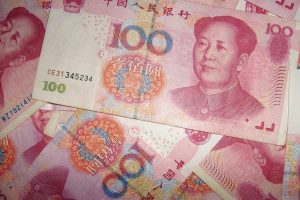
- Cash (现金 xiànjīn): Accepted everywhere and remains the only option in many smaller towns and rural areas.
- Bank Cards: Chinese bank cards are widely accepted, but difficult for short-term travelers to obtain.
Where Cash Is Still Required
Despite the widespread use of mobile payments, there are still many situations where cash is necessary:- Small street vendors and family-owned shops in smaller cities
- Public buses and some subway ticket machines in rural areas
- Traditional markets and night markets
- Taxis in some smaller cities (though most now accept Didi)
- Small tips and gratuities (though tipping is not common in China)
- Emergency situations where mobile networks are unavailable
Step-by-Step Guide to Preparing for Payments in China
- Download and set up Alipay and WeChat Pay before your trip. Complete registration and verification using your passport and international phone number.
- Link your international credit card to both payment platforms. Visa, Mastercard and American Express are all supported.
- Withdraw a small amount of Chinese Yuan (CNY) before arriving in China, or withdraw cash from an ATM (自动取款机 zìdòng qǔkuǎn jī) at the airport.
- Notify your bank that you will be traveling to China to prevent your cards from being blocked.
- Consider purchasing a local SIM card or eSIM at the airport upon arrival to ensure stable internet access for mobile payments.
- Download a translation app to help communicate with merchants who do not speak English.
Common Problems and Solutions
Mobile Payment Failed
This is the most common problem faced by foreign travelers. If your mobile payment fails:- Check your internet connection. Mobile payments require a stable internet connection.
- Make sure you have sufficient funds in your linked account.
- Verify that your payment method is still valid and has not expired.
- Try using a different payment platform (switch from Alipay to WeChat Pay or vice versa).
- Use cash as a backup.
Cannot Find a Cash ATM
ATMs are widely available in major cities, but can be harder to find in rural areas:- Look for ATMs at banks, airports, train stations and shopping malls.
- Use ATMs from major Chinese banks such as Bank of China, ICBC and Construction Bank, as they are most likely to accept international cards.
- Withdraw enough cash in advance when traveling to remote areas.
Merchant Does Not Accept International Credit Cards
Most small businesses do not accept international credit cards:- Use mobile payment if possible.
- Pay with cash.
- Ask if the merchant accepts UnionPay, as some international cards have UnionPay functionality.
Real-Life Tips
- Carry between 1,000-2,000 CNY in cash at all times. This is enough for most daily expenses in case mobile payments fail.
- Keep your cash in small denominations (10, 20, 50 and 100 CNY notes) as many merchants may not have change for large bills.
- Use mobile payments whenever possible, as they are faster, more convenient and often offer discounts.
- Check your bank’s foreign transaction fees before using your credit card in China.
- Keep a record of all your transactions for security purposes.
Common Mistakes to Avoid
- Traveling without any cash. Even in the most developed cities, there will be situations where cash is needed.
- Carrying too much cash. This is unnecessary and increases the risk of theft.
- Only having one payment method. Always have at least two backup options.
- Forgetting to notify your bank of your travel plans, which can result in your cards being blocked.
- Using public Wi-Fi networks to make payments or access sensitive financial information.
- Assuming that all merchants accept mobile payments. Always be prepared to pay with cash.
Frequently Asked Questions
Do I need to bring cash to China in 2026?
Yes. While mobile payments are widely accepted, you should still bring some cash for emergencies and situations where mobile payments are not available. We recommend bringing between 1,000-2,000 CNY in cash.How much cash should I bring to China?
For a one-week trip, 1,000-2,000 CNY should be sufficient. For longer trips, plan to withdraw additional cash from ATMs as needed. Do not carry more than 5,000 CNY in cash at any time.Can I use my credit card everywhere in China?
No. International credit cards are only accepted at larger establishments such as hotels, restaurants and shopping malls. Most small businesses and street vendors only accept mobile payments or cash.Can I withdraw cash from ATMs in China with my international card?
Yes. Most ATMs in major cities accept international Visa, Mastercard and American Express cards. You will be charged a foreign transaction fee by your bank.Is it safe to use mobile payments in China?
Yes. Mobile payments in China are extremely secure and use advanced encryption technology. However, you should always protect your phone with a password or biometric authentication.What should I do if I run out of cash in China?
You can withdraw cash from any ATM that accepts your international card. You can also exchange foreign currency at banks, airports and major hotels.Conclusion
China is indeed one of the most cashless societies in the world, but it is not completely cashless. Mobile payments are the primary payment method for most daily transactions, but cash remains an important backup. The best approach is to set up mobile payments before your trip, carry a moderate amount of cash as a backup, and have multiple payment methods available. By following the tips and advice in this guide, you can avoid common payment problems and enjoy a smooth, stress-free trip to China. If you want to learn practical Chinese phrases for daily payments and travel scenarios, explore our Travel Chinese lessons. Continue Exploring China
- Improve your real-world Chinese communication skills with our Practical Chinese Listening resources.
- Build your reading proficiency with our Progressive Chinese Reading section.
- Master travel-specific phrases and dialogues in our Travel Chinese collection.
- Get personalized one-on-one instruction with our Premium Chinese Live Courses.
- Prepare for long-term stays in China with our Premium China Resources and survival materials.
Travel regulations, app policies, visa requirements, and payment services in China may change over time. Always verify important information through official sources before making travel decisions.