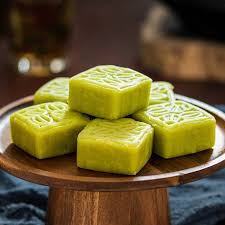
在北京城的老胡同里,隐藏着一家开了三十多年的传统糕点铺。每到清明前后,门口就排起长队,大家都是来买老板亲手做的绿豆糕。
这家糕点铺的绿豆糕有着特殊的制作工艺。首先要选用当年收获的优质绿豆,用清水反复冲洗去杂质,然后放在通风的地方阴干,不能暴晒。接下来将绿豆磨成细粉,加入适量的白糖和纯植物油,用手反复揉搓直到面团光滑细腻。最后放进传统的木制模具压型,蒸二十分钟即可。
老板说,这门手艺是从爷爷那辈传下来的,坚持不加任何添加剂,才能保留绿豆本身的清香。很多老北京人从小就吃这家的绿豆糕,现在即使搬到了新小区,每年也会专门回来买。对他们来说,这块绿豆糕不仅是一种美食,更是对童年和家乡的记忆。
近几年,越来越多的年轻人也开始喜欢这种传统糕点。他们会在网上分享买糕点的经历,带给外国朋友品尝。老板看到这些,心里很欣慰,他说只要大家喜欢,他就会一直把这门手艺传下去。传统文化就像这绿豆糕的清香,淡淡的却持久,浸透在城市的角角落落。
In the old hutongs of Beijing, there is a traditional pastry shop that has been open for more than 30 years. Every year around Qingming Festival, a long line forms at the door, as people come to buy the mung bean cakes made by the master himself.
This shop’s mung bean cakes have a special production process. First, high-quality mung beans harvested that year are selected, washed repeatedly with clean water to remove impurities, then dried in a ventilated place—they cannot be exposed to direct sunlight. Next, the mung beans are ground into fine powder, mixed with an appropriate amount of white sugar and pure vegetable oil, and kneaded repeatedly by hand until the dough becomes smooth and delicate. Finally, it is pressed into shapes using traditional wooden molds and steamed for twenty minutes.
The master said that this craft was passed down from his grandfather, and he insists on not adding any additives to retain the natural fragrance of mung beans. Many old Beijingers have been eating this shop’s mung bean cakes since childhood. Even if they have moved to new communities now, they still come back specially to buy them every year. For them, this piece of mung bean cake is not only a delicacy, but also a memory of childhood and hometown.
In recent years, more and more young people have also begun to like this kind of traditional pastry. They share their experience of buying pastries online and bring them to foreign friends to taste. Seeing this, the master is very relieved. He said that as long as everyone likes it, he will continue to pass on this craft. Traditional culture is like the fragrance of this mung bean cake—faint but long-lasting, permeating every corner of the city.