
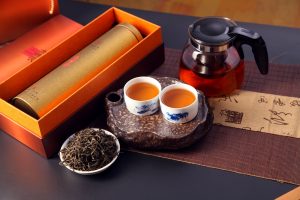
Introduction
Buying Chinese tea in China is one of the most rewarding travel experiences, but it helps to understand what you are buying before you walk into a tea shop. China produces six main tea types, each with different flavors, prices, and brewing methods. The way tea is sold is also different from most Western countries: prices are usually quoted per 500 grams, tasting is common, and the best shops expect you to ask questions. This guide explains the six tea types, how to taste, how to understand prices, and how to bring tea home.
You will learn what to look for in a tea shop, how to ask for what you want in Chinese, and how to avoid common mistakes that lead to overpaying or buying tea you do not actually like.
Quick Answer
China has six main tea types: green, white, yellow, oolong, black, and dark tea. Prices are usually quoted per 500 grams (one jin, 斤). One jin equals 500 grams, and one liang (两) equals 50 grams. Tasting before buying is normal in tea shops. Tea is not a restricted item for customs, and personal-use amounts do not require special declaration. The most useful phrase to learn is 多少钱一斤 (duōshǎo qián yì jīn), which means “how much per 500 grams.”
What Are the Six Types of Chinese Tea?
The Official Classification System
China’s national standard for tea classification is GB/T 30766—2014, issued by the National Tea Standardization Technical Committee. It divides tea into six basic types based on fermentation level, from lightest to heaviest: green tea, white tea, yellow tea, oolong tea, black tea, and dark tea. This is the framework used by the Chinese customs authority and the tea industry.
Green Tea (绿茶, lǜchá)
Green tea is unfermented, with a fermentation level of zero. It is the most widely produced tea in China. Representative teas include Longjing (龙井, lóngjǐng), Biluochun (碧螺春, bìluóchūn), and Huangshan Maofeng (黄山毛峰, huángshān máofēng). Green tea has a fresh, grassy, or chestnut-like flavor. It is best brewed with water around 75–85°C, not boiling.
White Tea (白茶, báichá)
White tea is lightly fermented, around 0 to 10 percent. It is minimally processed, usually just withered and dried. Representative teas include Baihao Yinzhen (白毫银针, báiháo yínzhēn), Baimudan (白牡丹, báimǔdān), and Shoumei (寿眉, shòuméi). White tea has a subtle, sweet flavor and is often aged, which changes the taste over time.
Yellow Tea (黄茶, huángchá)
Yellow tea is lightly fermented, around 10 to 20 percent. It goes through a “sealed yellowing” step that gives it a mellow, less grassy flavor than green tea. Representative teas include Junshan Yinzhen (君山银针, jūnshān yínzhēn) and Huoshan Huangya (霍山黄芽, huòshān huángyá). Yellow tea is less common and less exported, so it is worth trying in China if you want something unusual.
Oolong Tea (乌龙茶, wūlóngchá)
Oolong tea is semi-fermented, around 30 to 60 percent. It sits between green and black tea in flavor and aroma. Representative teas include Tieguanyin (铁观音, tiěguānyīn) from Anxi, Wuyi Rock Tea (武夷岩茶, wǔyí yánchá) including Da Hong Pao (大红袍, dàhóngpáo), and Phoenix Dancong (凤凰单丛, fènghuáng dāncōng). Oolong is known for complex aromas and a lingering aftertaste.
Black Tea (红茶, hóngchá)
Black tea in China is fully fermented, around 70 to 90 percent. It is called “red tea” in Chinese because of the color of the brewed liquid. Representative teas include Zhengshan Xiaozhong (正山小种, zhèngshān xiǎozhǒng) and Qimen Hongcha (祁门红茶, qímén hóngchá). Chinese black tea is often smooth and sweet, quite different from the strong breakfast teas common in the West.
Dark Tea (黑茶, hēichá)
Dark tea is post-fermented, with a fermentation level reaching 100 percent. It is aged and often pressed into cakes or bricks. Representative teas include Pu’er (普洱茶, pǔ’ěr chá) from Yunnan and Liubao (六堡茶, liùbǎo chá) from Guangxi. Pu’er is divided into raw (生普, shēngpǔ) and ripe (熟普, shúpǔ). Ripe Pu’er goes through a wet-piling fermentation that gives it an earthy, smooth flavor.
How Tea Is Sold and Priced
Units of Measurement
Tea in China is usually priced per 500 grams, called one jin (斤, jīn). One jin equals 500 grams. A smaller unit is the liang (两, liǎng), which equals 50 grams. If a shop quotes a price and you are not sure what unit it refers to, ask 多少钱一斤 (duōshǎo qián yì jīn) to confirm the price per 500 grams.
What Affects Price
Tea prices vary widely based on several factors. The most important are origin, harvest season, grade, and processing method. Famous tea regions and early spring harvests command higher prices. Hand-processed tea is usually more expensive than machine-processed. For example, authentic West Lake Longjing (西湖龙井, xīhú lóngjǐng) from the core production area in Hangzhou has an annual output of only about 500 tons, which keeps prices high.
Understanding Grades
Tea grades such as “special grade” (特级, tèjí), “first grade” (一级, yījí), and “second grade” (二级, èrjí) are defined by the national sensory evaluation standard GB/T 14487—2017 and specific product standards for each tea type. Grades describe leaf appearance, aroma, taste, and liquor color, but they are not a universal quality guarantee. A tea that suits your taste is more important than a high grade that you do not enjoy.
Reasonable Price Ranges
As a rough guide, everyday drinking tea in China can cost anywhere from 100 to 500 RMB per 500 grams. Better-quality tea from famous regions or specific harvests can range from 500 to several thousand RMB per 500 grams. Very high-end or aged teas can cost much more. These ranges are not official prices, only general market observations. Always taste before buying and trust your own palate over the label.
How to Taste Tea Before Buying
Tea Houses vs. Tea Shops
Tea houses (茶馆, cháguǎn) are places to sit, drink tea, and socialize. They usually charge by the person or by the pot, and the focus is on the experience. Tea shops (茶叶店, cháyè diàn) are retail stores where you can taste teas and then buy them by weight. Most tea shops will offer a tasting before you decide to buy.
What Happens in a Tasting
A typical tasting involves the shop staff brewing small amounts of several teas for you to compare. They will usually use a gaiwan (盖碗, gàiwǎn), a lidded bowl, or a small teapot. You smell the dry leaves, then the wet leaves after brewing, then taste the tea. You may be offered several infusions from the same leaves, because good tea can be brewed multiple times.
How to Describe What You Like
Useful Chinese phrases for tasting include 我喜欢清淡的 (wǒ xǐhuān qīngdàn de, “I like light tea”) and 我喜欢浓一点的 (wǒ xǐhuān nóng yìdiǎn de, “I like stronger tea”). If you want to ask about flavor, you can say 这个茶有什么特点 (zhège chá yǒu shénme tèdiǎn, “what are the characteristics of this tea”).
Tea Vocabulary Worth Knowing
Two terms come up often in tastings. 回甘 (huí gān, “sweet aftertaste”) describes the sweetness that appears after swallowing, especially in oolong and Pu’er. 生津 (shēng jīn, “mouth-watering”) describes the sensation of saliva production. The official English equivalent in GB/T 14487—2017 for 回甘 is “sweet after taste.”
Where to Buy Tea in China
Tea Shops in Major Cities
Most major cities have tea shops and tea markets. In Beijing, the Maliandao Tea Market (马连道茶城, mǎliándào cháchéng) is well known. In Shanghai, Tianshan Tea City (天山茶城, tiānshān cháchéng) is a major market. In Hangzhou, tea shops near West Lake specialize in Longjing. In Chengdu, tea houses in People’s Park and around Kuanzhai Xiangzi offer both drinking and buying.
Tea Regions and Origin Visits
If you are traveling to a tea-producing region, buying directly from the source can be a good experience. Hangzhou for Longjing, Anxi for Tieguanyin, Wuyishan for rock tea, and Yunnan for Pu’er are all well-known. However, being in a tea region does not automatically mean lower prices for tourists. Taste and compare before committing.
Buying Tea Online
Chinese e-commerce platforms such as Tmall and JD.com sell tea widely, but most require a Chinese payment method or account. If you want to buy tea online, it is often easier to do so while in China with a local payment app set up. For help with mobile payments, see our guide on How to Use Alipay in China for Foreigners.
How to Store and Bring Tea Home
Shelf Life and Storage
Green tea is usually best within 18 to 36 months. Black tea keeps well for 36 to 48 months. Pu’er, when stored properly, can be kept for many years and often improves with age. Keep tea away from light, moisture, and strong odors. A sealed container or the original vacuum packaging is ideal.
Packing for Travel
Tea is lightweight and easy to pack. If you buy loose tea, ask the shop to vacuum-seal it if possible. Many shops offer gift boxes (礼盒, lǐhé) for an extra charge. If you buy pressed Pu’er cakes, they are already compact and travel well. Keep tea in your carry-on if you are worried about crushing, especially for pressed cakes or gift boxes.
Customs Rules
Tea is not a restricted item for Chinese customs. Personal-use amounts do not require special declaration when leaving China. If you are carrying tea for personal use in reasonable quantities, you do not need to fill out a written declaration for the tea itself. For more on customs rules, see China Customs for Tourists. When entering your home country, check your own country’s rules on agricultural products. Most countries allow commercial packaged tea, but some may ask about it at customs. Always declare if you are unsure.
Tax Refund on Tea
Tea purchased at tax-refund-eligible stores may qualify for the departure tax refund. Keep your receipts and the tax refund form. For details, see How to Get a China Tax Refund as a Foreign Tourist.
Common Problems and Solutions
You Are Not Sure What to Buy
- Cause: Six tea types with many varieties can be overwhelming.
- Solution: Start with a tasting. Try one green, one oolong, and one black tea. Buy small amounts of what you like. You do not need to buy a lot on the first visit.
The Price Seems Too High
- Cause: Tourist areas and famous tea regions often have higher prices.
- Solution: Taste first, then ask the price per 500 grams. Compare with another shop if possible. Prices vary widely, and there is no fixed market price for most teas.
You Do Not Know How to Brew the Tea You Bought
- Cause: Different teas need different water temperatures and brewing times.
- Solution: Ask the shop staff how to brew it. You can say 这个茶怎么泡 (zhège chá zěnme pào). As a general rule, green and white tea use cooler water (75–85°C), while oolong, black, and dark tea use near-boiling water (95–100°C).
Real-Life Tips
- Always taste before buying. A good tea shop will offer this without pressure.
- Ask for the price per 500 grams, not per package, so you can compare fairly.
- Start with small quantities. You can always buy more if you like it.
- Vacuum-sealed packaging helps preserve freshness during travel.
- Green tea is the most delicate; drink it sooner rather than aging it.
- Pu’er can be aged, but only if stored properly.
- If you are not sure about a tea, ask for a small sample to take home first.
Common Mistakes to Avoid
- Don’t buy tea without tasting it first; taste is personal.
- Don’t assume higher price always means better taste for you.
- Don’t confuse tea houses (for drinking) with tea shops (for buying).
- Don’t forget to ask how to brew the tea you buy.
- Don’t pack tea next to strong-smelling items; tea absorbs odors.
- Don’t assume tea is restricted at customs; personal-use amounts are generally fine, but check your own country’s import rules.
Useful Chinese Phrases
- 这是什么茶?(zhè shì shénme chá?) — What tea is this?
- 产自哪里?(chǎn zì nǎlǐ?) — Where is it from?
- 多少钱一斤?(duōshǎo qián yì jīn?) — How much per 500 grams?
- 可以试喝吗?(kěyǐ shìhē ma?) — Can I taste it?
- 我喜欢清淡的 (wǒ xǐhuān qīngdàn de) — I like light tea
- 我要买这个 (wǒ yào mǎi zhège) — I want to buy this
- 可以帮我包装吗?(kěyǐ bāng wǒ bāozhuāng ma?) — Can you help me pack it?
- 这个茶怎么泡?(zhège chá zěnme pào?) — How do I brew this tea?
Frequently Asked Questions
What is the best Chinese tea for beginners?
For most first-time buyers, a light oolong such as Tieguanyin or a smooth black tea such as Qimen Hongcha is a good starting point. Green tea like Longjing is also popular but more sensitive to brewing temperature. If you are not sure, ask for a tasting of three different types and buy the one you enjoy most.
How much should I pay for good Chinese tea?
There is no fixed price. Everyday drinking tea can start around 100 RMB per 500 grams, while better-quality tea from famous regions can range from 500 RMB to several thousand RMB per 500 grams. Very high-end or aged teas cost more. Price depends on origin, harvest, grade, and processing. Taste before buying and choose what suits your palate.
Can I bring Chinese tea home?
Yes. Tea is not a restricted item for Chinese customs, and personal-use amounts do not require special declaration. When entering your home country, check your own import rules. Most countries allow commercial packaged tea. If you are unsure, declare it at customs.
What is the difference between a tea house and a tea shop?
A tea house is for sitting, drinking tea, and socializing. It usually charges by the person or by the pot. A tea shop is a retail store where you can taste teas and buy them by weight. Most tea shops offer a tasting before purchase. Both are part of Chinese tea culture, but they serve different purposes.
Conclusion
Buying Chinese tea is easier when you understand the six tea types, how prices are quoted, and how to taste before buying. Start with a tasting, ask for the price per 500 grams, and buy small quantities of what you enjoy. Tea is easy to pack and generally not restricted at customs for personal use. The experience itself, sitting in a tea shop and comparing flavors, is part of the journey. For more on food and drink in China, see our guide on How to Order Food in China for Foreigners.
- Improve your real-world Chinese communication skills with our Practical Chinese Listening resources.
- Build your reading proficiency with our Progressive Chinese Reading section.
- Master travel-specific phrases and dialogues in our Travel Chinese collection.
- Get personalized one-on-one instruction with our Premium Chinese Live Courses.
- Prepare for long-term stays in China with our Premium China Resources and survival materials.
Travel regulations, app policies, visa requirements, and payment services in China may change over time. Always verify important information through official sources before making travel decisions.